← Home · Slopes & Walls

Geotechnical Slope Monitoring (Monthly) in Sunshine Coast

Together, we solve the challenges of tomorrow.

READ MORE →

Sunshine Coast sits on a mix of weathered metamorphic rock and deep residual soils, with the Maroochy River catchment creating variable groundwater conditions. Monthly geotechnical slope monitoring is essential here because seasonal rainfall patterns can shift pore pressures rapidly. We install inclinometers, piezometers, and surface markers to track real-time deformation. Before starting a project, we often recommend a resistivity survey to map subsurface changes, or a [MASW survey](/masw-vs30/) to profile shear wave velocity. The data feeds directly into our slope stability models, giving property owners and contractors actionable information before small movements become costly failures.
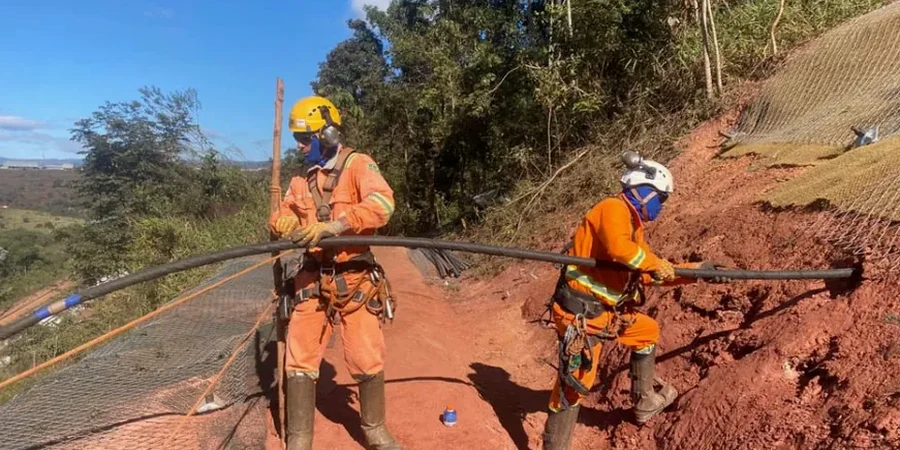
Illustrative image of Geotechnical slope monitoring (monthly) in Sunshine Coast
Monthly inclinometer readings catch acceleration early. A 3 mm shift in one month can signal a pending failure surface weeks before visible cracking.

Scope of work

Every monitoring program begins with a site walk to identify existing tension cracks, seepage zones, or leaning trees. We install stainless steel survey pins on a grid, then take baseline readings with a total station. For deeper movement, we place inclinometer casings to 15 metres or more. Data is collected monthly, processed, and compared to trigger thresholds. If movement exceeds 5 mm in a month, we flag it immediately. We also correlate readings with local rainfall data from the Bureau of Meteorology. A key part of the service is integrating results with stability analysis to model failure surfaces, and if movement is detected, we can recommend drainage improvements to reduce pore pressure. Each report includes a clear movement trend graph and a risk rating.
Technical reference image — Sunshine Coast

Area-specific notes

Sunshine Coast's subtropical climate brings intense summer storms that saturate the ground quickly. The risk is that a slope that has been stable for years can suddenly mobilise after 48 hours of heavy rain. Monthly monitoring catches the early acceleration phase. Without it, a slow creep of 2 mm per month can escalate to 50 mm per day during a weather event. We have seen this happen on Buderim's steep escarpments. The cost of emergency remediation after a failure is typically 10 times the cost of five years of monthly monitoring. That is the real risk — not the movement itself, but the inaction before it becomes a crisis.

Need a geotechnical assessment?

Reply within 24h.

Email: contact@geotechnicalengineering1.xyz

Watch how it works


This service complements our laboratory testing work for a complete project analysis.

Technical data

ParameterTypical value
Inclinometer casing depth10–20 m typical
Survey pin density1 per 5 m along slope
Piezometer typeVibrating wire, 0–200 kPa
Trigger threshold (movement)5 mm/month
Report frequencyMonthly + immediate alert
Data logging interval1 reading per hour (auto)

Linked services

01

Manual Inclinometer Surveys

A field technician visits monthly to run a probe down the casing, reading tilt at 0.5 m intervals. Data is plotted against baseline to show cumulative displacement. Ideal for slopes with known movement history.

02

Automated Piezometer Network

Vibrating wire piezometers installed at multiple depths, logging pore pressure every hour. Data transmitted via 4G to our cloud dashboard. Alerts trigger when pressure exceeds a rain-based threshold.

03

Surface Crack Monitoring

Crack gauges and survey pins placed along visible tension features. Measured with a digital calliper and total station. Monthly reports include crack width change, opening rate, and photographic record.

04

Remote Sensing with Drones

Orthophoto and LiDAR surveys flown quarterly to detect broad surface changes. Vegetation removal or tension crack propagation visible in point cloud comparison. Useful for large or inaccessible slopes.

Standards used

AS 1726:2017 Geotechnical site investigations, AS 4678:2002 Earth retaining structures, AS/NZS 1170.2:2021 Structural design actions (wind), USGS landslide monitoring guidelines (2004)

Frequently asked questions

How much does monthly slope monitoring cost on the Sunshine Coast?

For a typical residential slope with 2 inclinometers and 10 survey pins, the monthly service ranges from AU$630 to AU$1,290 depending on site access and data logging requirements. Larger commercial projects with automated systems can reach AU$2,190 per month.

What triggers an immediate alert during monthly monitoring?

We set site-specific thresholds. A movement rate exceeding 5 mm in a single month triggers a phone call and preliminary report. If inclinometer data shows acceleration (increasing rate between readings), we escalate to a full stability review within 48 hours.

Do I need a geotechnical report before starting monthly monitoring?

Yes, a baseline assessment is required. We need at least an inclinometer casing installation log and a site classification per AS 1726. If you do not have one, we can complete a preliminary investigation beforehand.

Location and service area

We serve projects across Sunshine Coast.

Location and service area